
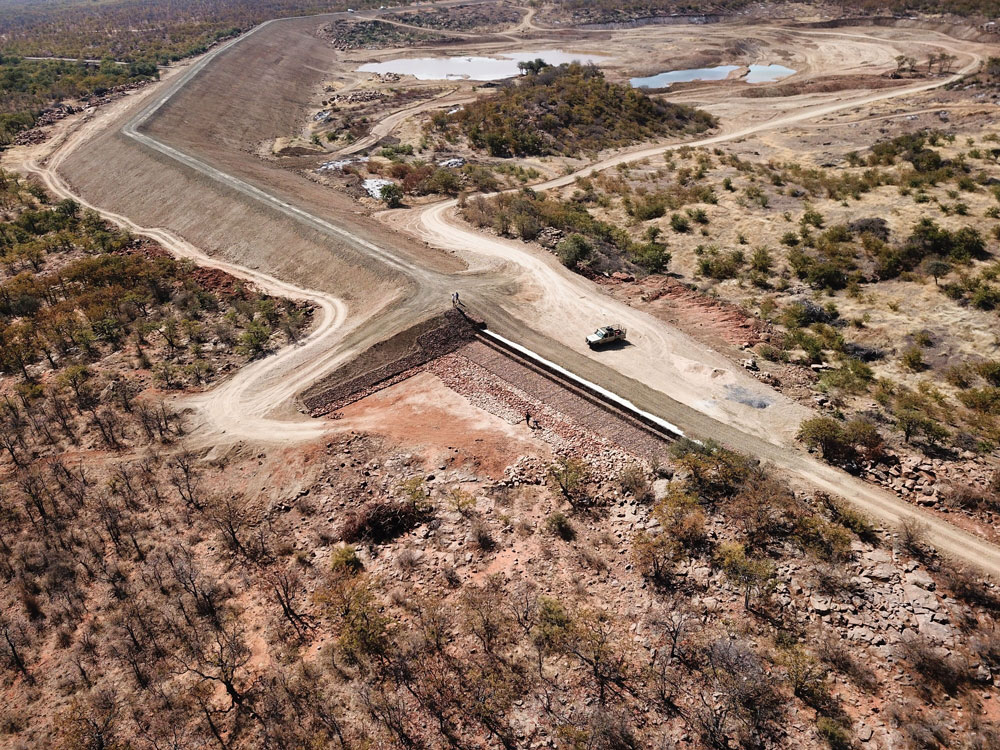
How we work
The initial engagement and concept discussion stage is where we establish a relationship with the client and discuss their requirements. This is followed by an assessment and quotation process, where we provide an initial estimate of the costs involved in carrying out the project.
Next, we move onto the engineering design process, where we develop the concept further and undertake a preliminary design to determine the feasibility of the options under consideration. Once a suitable option is selected, we proceed to the detailed design stage, where we finalize the design before moving on to the commercial process of selecting a contractor to carry out the work.
During the construction management phase, we provide oversight to ensure the project is executed according to the design specifications. Finally, during the operations and maintenance stage, we provide technical support to ensure the infrastructure operates optimally.
Overall, our work involves a systematic approach that ensures the successful delivery of engineering projects from concept to completion.
CONCEPT DESIGN
During this step we develop the concept with the Client and provide a provisional estimate of the costs of the project
PRELIMINARY DESIGN
In this stage we undertake a preliminary design to ascertain the viability of the options under consideration
COMMERCIAL PROCESS
The commercial process is undertaken to get a contractor on board to execute the project
DETAILED DESIGN
This is only undertaken once we have clarity from the previous step on the most suitable option to implement
CONSTRUCTION MANAGEMENT
This is the phase in which we as the engineers, provide oversight on the execution of the work
OPERATIONS AND MAINTENANCE
During the operations and maintenance we provide practical technical input to ensure that the infrastructure is operated optimally.
The Engineering design process
The engineering design process is a systematic and iterative approach used to solve engineering problems and develop innovative solutions. It typically consists of the following key steps:
1. Identify the Problem: The first step in the design process is to clearly define the problem or opportunity that needs to be addressed. This could involve meeting a specific need, improving an existing product or process, or developing a new solution.
2. Conduct Research: Once the problem has been identified, engineers must gather and analyze relevant information to better understand the requirements and constraints of the project. This may involve conducting experiments, reviewing literature, or consulting with experts in the field.
3. Generate Concepts: Engineers then brainstorm and generate multiple potential solutions to the problem. This stage involves creativity and innovation, as engineers explore different ideas and consider various approaches to solving the problem.
4. Evaluate and Select a Solution: Once a range of concepts has been developed, engineers must evaluate each solution to determine which one best meets the project requirements. Factors to consider may include cost, feasibility, performance, and sustainability.
5. Develop Detailed Design: The chosen solution is then further developed into a detailed design that specifies the components, materials, dimensions, and overall structure of the final product or system. This stage may involve creating detailed drawings, 3D models, and prototypes.
6. Test and Prototype: Before moving forward with manufacturing or implementation, engineers typically create prototypes and conduct tests to evaluate the performance and functionality of the design. This allows for any necessary adjustments or refinements to be made before finalizing the design.
7. Finalize Design: Once the design has been tested and validated, engineers can finalize the detailed design and prepare it for production or implementation. This stage may involve creating detailed documentation, drawings, and specifications.
8. Implementation and Production: The final step in the engineering design process involves implementing the design and producing the final product or system. This may involve coordinating with manufacturers, suppliers, and other stakeholders to ensure a successful execution of the design.
Throughout the design process, engineers must consider factors such as safety, sustainability, cost-effectiveness, and regulatory compliance. Effective communication, collaboration, and project management are also essential to ensure the successful completion of the project.